

Key Takeaways
- Caregiver burnout develops gradually and can affect your physical, emotional, and mental well-being if left unaddressed.
- Common warning signs include ongoing fatigue, irritability, difficulty concentrating, changes in sleep or appetite, and withdrawing from activities you enjoy.
- Building healthy routines, taking regular breaks, staying connected with others, and asking for help can make caregiving more manageable.
- Professional support may be worth considering as daily care needs become more complex or caregiving responsibilities begin affecting your own health.
- Recognizing burnout early helps you care for yourself while continuing to provide thoughtful support for your loved one.
What Caregiver Burnout Really Feels Like
Supporting an older loved one often becomes part of everyday life before you realize how much has changed. What begins with rides to appointments or help around the house can gradually grow into managing medications, coordinating schedules, and providing hands-on assistance each day. While caring for someone you love can be deeply rewarding, it can also become physically and emotionally demanding over time.
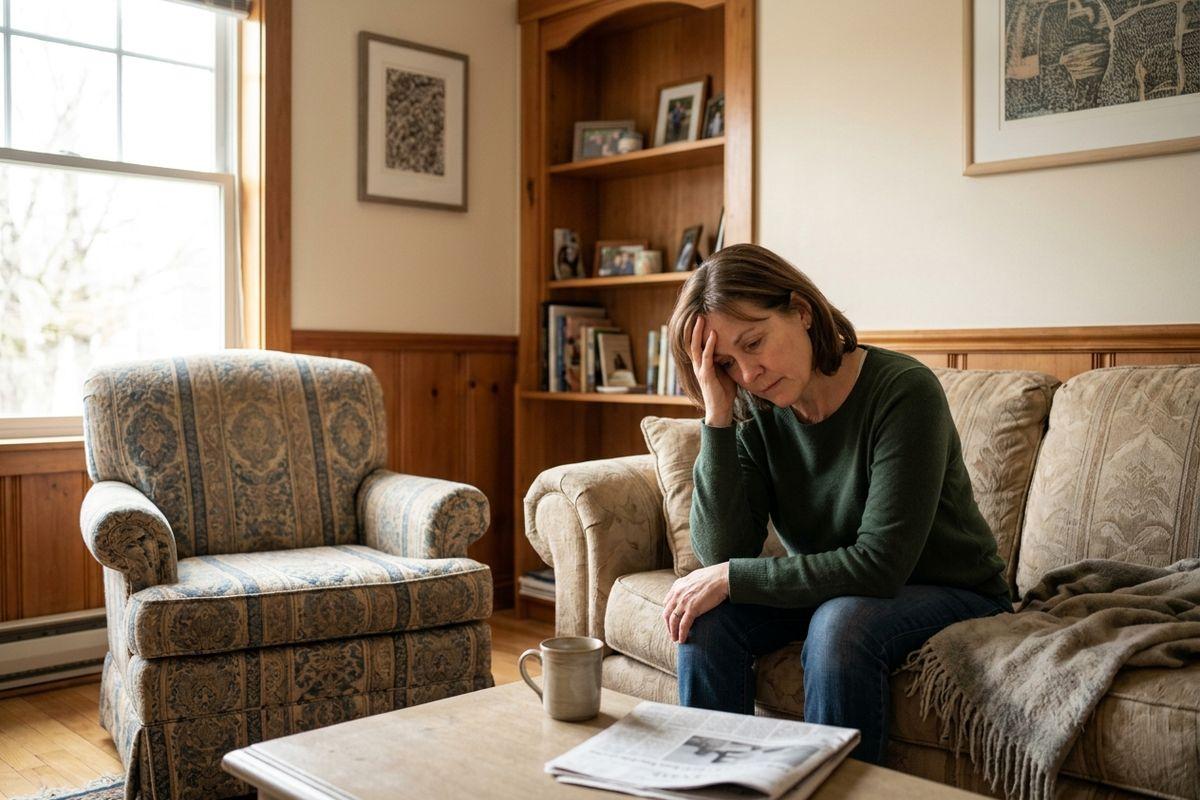
Caregiver burnout rarely appears overnight. It develops gradually as responsibilities continue to grow, making it easy to overlook the impact on your own well-being. Recognizing those changes early can help you care for yourself while continuing to support your loved one. It can also help you determine when additional support may benefit your entire family.
What Is Caregiver Burnout?
Caregiver burnout is a state of ongoing physical, emotional, and mental exhaustion that develops after prolonged caregiving responsibilities. Unlike the stress that comes with a busy week, burnout doesn’t simply disappear after a good night’s sleep. It can affect your energy, outlook, relationships, and overall health if left unaddressed.
Many family caregivers naturally put their loved one’s needs ahead of their own. Over time, that can make it difficult to maintain healthy routines or find opportunities to rest and recharge. Caring for yourself isn’t separate from caring for your loved one—it’s an important part of providing steady, compassionate support.
How to Recognize Caregiver Burnout
Burnout can affect your physical health, emotional well-being, and everyday routines. While every caregiver’s experience is different, there are several common warning signs that may indicate it’s time to slow down and seek additional support.
Some common signs of caregiver burnout include:
- Feeling tired even after getting enough sleep
- Changes in appetite or sleeping habits
- Frequent headaches or ongoing physical discomfort
- Feeling overwhelmed or emotionally drained
- Becoming more irritable or impatient than usual
- Losing interest in hobbies or social activities
- Difficulty concentrating or making decisions
- Neglecting your own health or personal needs
Recognizing these signs early gives you the opportunity to make changes before burnout begins affecting both you and your loved one.
Ways to Protect Your Well-Being While Caregiving
Supporting yourself is an important part of supporting someone you love. Even small changes to your daily routine can help reduce stress and make caregiving feel more manageable over time.
Build Small Breaks Into Your Routine
Taking a few minutes for yourself throughout the day can help prevent stress from continuing to build. A short walk, quiet cup of coffee, or time spent reading can provide a chance to reset before returning to your responsibilities.
Prioritize Healthy Daily Habits
Simple habits like eating regular meals, getting enough sleep, staying hydrated, and finding time to move each day all support your physical and emotional well-being. Small, consistent routines often have a greater impact than dramatic lifestyle changes.
Stay Connected With Your Support System
Friends, family members, and caregiver support groups can provide encouragement and practical advice when you need it most. Staying connected also helps reduce isolation that many caregivers experience over time.
Give Yourself Permission to Ask for Help
You don’t have to manage every responsibility on your own. Asking family members to share caregiving tasks or exploring respite care can give you time to recharge while ensuring your loved one continues receiving thoughtful, attentive support.
When to Consider Professional Care for an Older Loved One
There may come a point when caregiving responsibilities extend beyond what one person can reasonably manage. Recognizing that moment isn’t about giving up—it’s about making thoughtful decisions that support both your loved one and yourself. Exploring professional care early gives your family more time to understand the available options and choose the level of support that feels right.
Daily Care Needs Are Becoming More Complex
As your loved one’s needs change, everyday tasks like bathing, dressing, meal preparation, medication reminders, or mobility may require more time and attention. If these responsibilities are becoming difficult to manage consistently, additional support may help them continue enjoying a safe and comfortable daily routine.
You’re No Longer Able to Provide the Support They Need Alone
Family caregivers often balance work, personal responsibilities, and caregiving at the same time. When those responsibilities begin competing for your time and energy, it may be worth exploring professional care that complements the support you’re already providing. Seeking help doesn’t replace your role—it allows you to share it.
Your Health and Well-Being Are Beginning to Suffer
Caregiving should not come at the expense of your own physical or emotional health. If you’re feeling consistently exhausted, overwhelmed, or unable to maintain your own routines, professional support can help create a healthier balance for everyone involved.
Your Loved One Would Benefit From More Consistent Support
Professional support can provide reliable daily assistance while creating opportunities for social connection, engaging programs, and personalized services. Whether your loved one would benefit from respite care or ongoing personal care, exploring these options can help your family find the support that best fits your needs.
Find the Support You Deserve Today
Caring for an older loved one is an act of compassion, but that doesn’t mean you have to do everything on your own. Recognizing caregiver burnout and taking steps to address it can help protect your well-being while ensuring your loved one continues receiving the support they deserve.
At Juniper Village at Forest Hills, we’re here to help families explore solutions that meet their unique needs, whether you’re interested in respite care or learning more about personal care. Schedule a tour with us today to learn more about how we can support your loved one and your family.