

Key Takeaways
- Personal care offers hands-on daily support while preserving your privacy and independence.
- Skipped meals, increased falls, and growing isolation can be early signals that it’s time to explore support.
- Personal care sits between independent living and memory care—it’s flexible and adapts with you.
- Starting the conversation with family works best when you focus on lifestyle gains, not losses.
- A visit to a community together can make the decision feel much more natural.
The Right Time Looks Different for Everyone
There’s rarely one single moment that makes it obvious. More often, it’s a quiet collection of small changes—a skipped meal here, a missed appointment there—that nudges you toward a new question: could a little more support actually make life better?
Personal care is designed for exactly that in-between space, where you don’t need round-the-clock medical attention but could genuinely benefit from a helping hand each day. It’s not about giving anything up. It’s about gaining more room to enjoy the things that matter most to you.
What Is Personal Care?
Personal care is daily support built around you—your routines, your preferences, your rhythm. That can include help with bathing, dressing, and meals, woven into your day in a way that feels natural, not clinical. Think of it as a bridge between fully independent living and more specialized care like memory care or skilled nursing.
The key difference? It’s personalized. At Juniper Village at Forest Hills, your care path isn’t pulled from a standard checklist—it’s shaped around who you are and how you want to live. Some people need a little help in the morning and nothing more. Others appreciate ongoing support throughout the day. Personal care meets you exactly where you are.
Signs It Might Be Time to Explore Personal Care
Changes at Home
Pay attention to the small shifts. Meals getting skipped, laundry piling up, or a kitchen that used to smell like fresh coffee sitting quiet more mornings than not—these are the kinds of details worth noticing. They don’t signal failure. They signal that life is asking for a little more support.
Falls or near-misses around the house are another signal worth taking seriously. A slippery bathroom, a dark hallway, or just the fatigue of managing everything solo can turn everyday spaces into unexpected hazards. Personal care brings support into the picture before small risks become bigger ones.
Changes in Day-to-Day Life
Isolation has a way of creeping in quietly. Phone calls get shorter, outings become less frequent, and days start to blur together. If you or someone you love is feeling more disconnected from others, that’s worth paying attention to—connection is central to well-being at every stage of life.
You might also notice family members stepping in more and more—driving to appointments, handling groceries, stopping by just to check in. That love is real and meaningful. But personal care can take the daily weight off everyone’s shoulders, so those visits become about joy again, not logistics.
What Personal Care Actually Looks like Day to Day
The Social Side
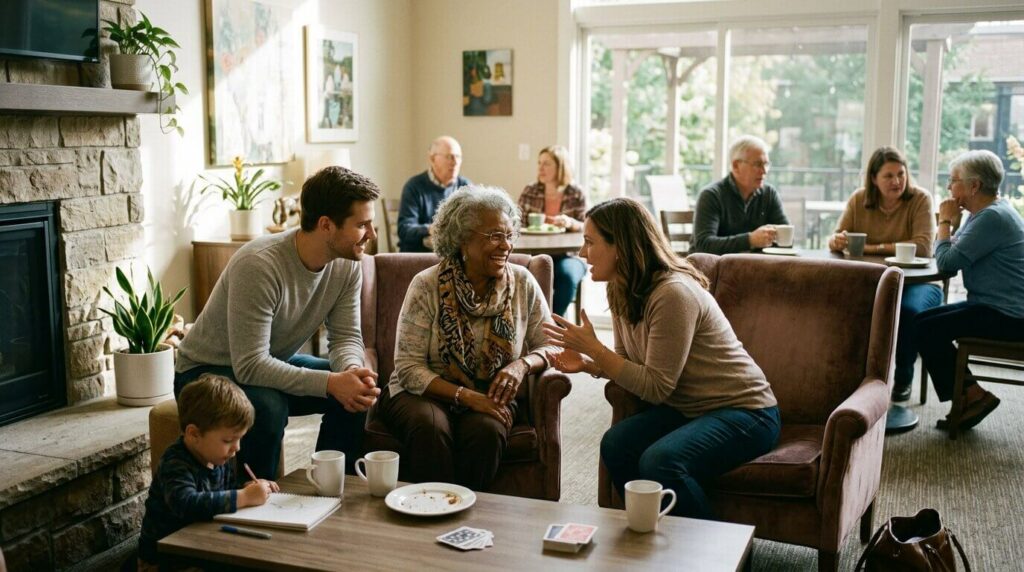
Picture mornings that start with a warm dining room, the smell of fresh coffee, and familiar faces gathered around the table. Personal care communities are lively by design—shared meals, group activities, and the kind of easy conversation that happens when you actually live alongside people you like. Explore dining experiences that bring people together around nourishing, flavorful food every single day.
New friendships have a way of forming naturally in these spaces. You might find yourself at an art class, a game night, or simply a sunny corner of the garden with a good book and good company nearby. That social fabric is woven right into every day through enrichment and engagement programs designed to spark curiosity and connection.
Support That Moves with You
One of the most reassuring things about personal care is that it doesn’t stay fixed. As your needs shift—whether that’s a little more help over time or simply a desire to adjust your routine—your care adapts with you. You’re never left trying to fit into a plan that no longer fits your life.
The team members who support you get to know you as a whole person. Your name, your story, the way you take your tea—those details matter and shape how care shows up for you each day. That kind of relationship-driven support makes a real difference.
How Personal Care Differs from Other Senior Living Options
- Independent living: A great fit when little to no daily assistance is needed—focused on lifestyle, community, and convenience.
- Personal care: Hands-on daily support with bathing, dressing, and meals—delivered with full privacy and dignity.
- Memory care: Specialized support for those navigating memory loss, with tailored programming and a secure environment.
- Skilled nursing: Higher-level medical support for more complex health needs.
How to Start the Conversation with Your Family
Bring specific moments to the table—not frustrations, but observations. “I noticed the fridge was empty 3 times this week” lands differently than a general worry. Concrete details help everyone understand what’s actually changing without it feeling like an attack or an overreaction. For more guidance, explore how families can ease the transition to personal care together.
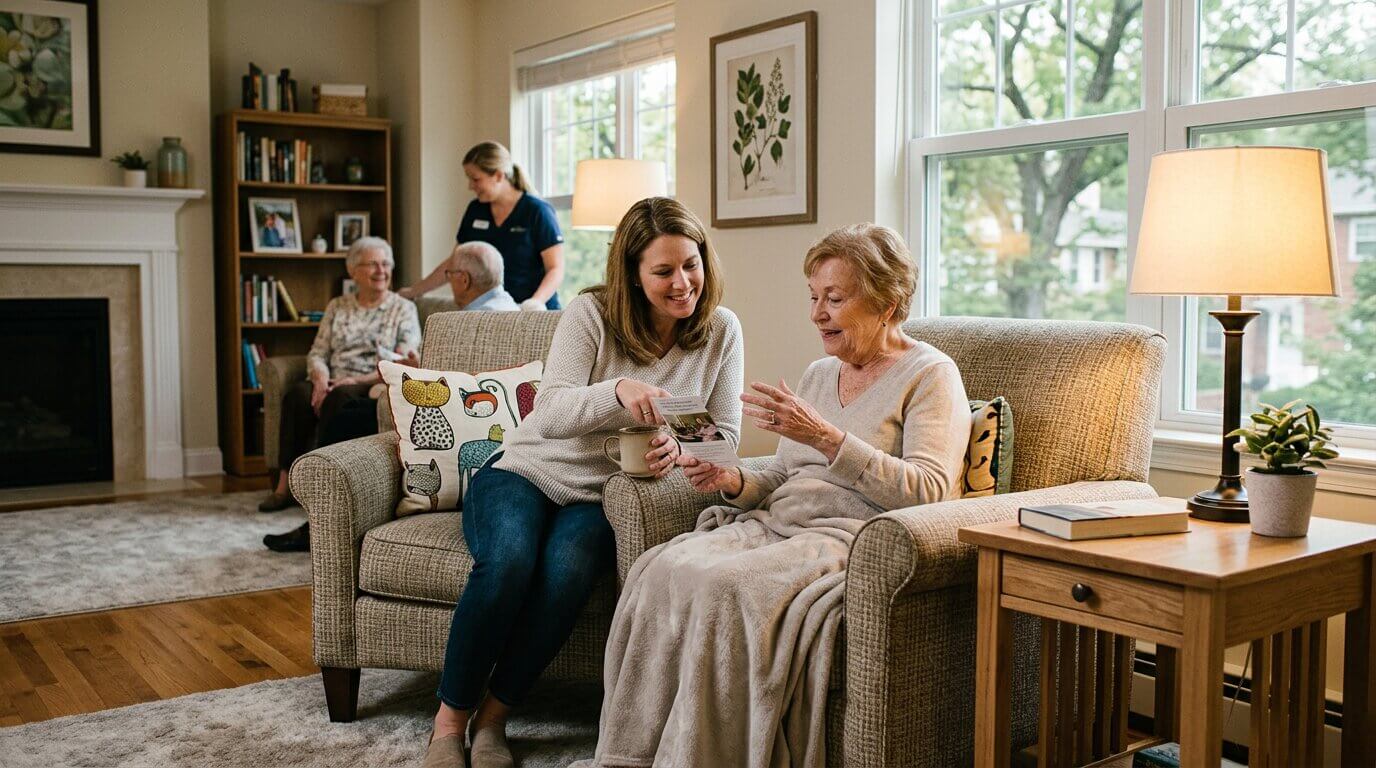
Frame the conversation around what personal care adds to life—social connection, daily ease, more energy for the things you love. Then explore a community together before any decisions are made. Walking through the door, feeling the warmth of the space, and meeting the people there can shift the whole conversation. At Juniper Village at Forest Hills, that visit is always a welcoming one—reach out to get started.